
 See Our Latest Article on HelloNation
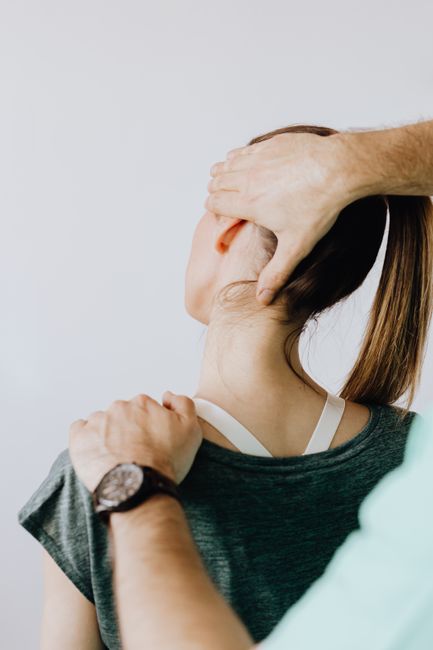
Neck clicking is common and often harmless, especially when it happens without pain or other symptoms. The sound may come from normal movement in the small joints of the neck, shifting tendons or ligaments, or changes in pressure within joint fluid.
For residents of Ballston, NY, clicking may become more noticeable after long periods of driving, desk work, phone use, household projects, or seasonal outdoor activity. The sound itself usually matters less than what accompanies it.
What causes a clicking or popping sound in the neck?
Most neck clicking comes from ordinary mechanical movement rather than serious damage. Several structures can create a popping, snapping, grinding, or crackling sound.
Joint pressure changes: Small gas bubbles can form or shift inside the fluid-filled joints of the neck. When the joint moves, the pressure change may produce a pop.
Tendons or ligaments moving: A tendon or ligament may glide over a nearby bone and briefly snap into a different position. This can sound like a click, particularly when turning or tilting the head.
Normal joint movement: The neck contains several small joints that guide movement between the vertebrae. Slight changes in how those joints move can create noise without indicating a problem.
Muscle tension and stiffness: Tight muscles may alter the way the head and neck move. After holding one position for a long time, a person may notice more clicking when first turning the head.
Age-related changes: Cartilage and other joint tissues can gradually change with age. Some people develop more noticeable grating or crackling, sometimes called crepitus, even when they have little or no pain.
Is neck clicking without pain usually a problem?
Clicking without pain, numbness, weakness, dizziness, or loss of motion is usually not a sign of a dangerous condition. Many healthy people hear occasional neck noises during normal movement.
A sound that occurs only in certain positions is often less concerning than a sound that is constant, worsening, or associated with symptoms. The frequency of the clicking also does not automatically indicate the seriousness of the cause.
It is generally reasonable to observe painless clicking while paying attention to changes in mobility and comfort. Avoid repeatedly forcing the neck to crack, particularly with fast or forceful twisting.
Why might the neck click after sleeping or working?
A neck may click more after sleeping in an awkward position or spending hours looking downward. Prolonged posture can make the surrounding muscles feel tight and can temporarily change how the joints move.
Common situations include:
- Looking down at a phone or tablet for extended periods
- Sitting at a computer without changing position
- Driving for a long time with the head held forward
- Sleeping with the neck turned or poorly supported
- Shoveling, lifting, gardening, or doing overhead work
- Wearing a heavy backpack or carrying uneven loads
Winter weather and indoor heating can also affect daily habits. Colder conditions may lead people to tense their shoulders, spend more time sitting indoors, or reduce normal movement. These factors can make stiffness and clicking more noticeable, although cold weather alone does not usually damage the neck.
Gentle movement, regular position changes, and comfortable support can help reduce stiffness. The neck does not need to remain perfectly still; gradual, pain-free movement is often more helpful than prolonged rest.
Can arthritis or disc problems cause neck clicking?
Yes. Arthritis, disc changes, or irritation in the small neck joints can contribute to clicking or grinding, particularly when the sound is accompanied by stiffness or reduced movement.
However, imaging findings do not always explain symptoms. Age-related changes can appear on an X-ray or scan in people who have no neck pain. A clicking sound alone cannot diagnose arthritis, a disc problem, or a spinal injury.
A more useful pattern to observe is whether the noise occurs with:
- Persistent or increasing pain
- Morning stiffness that does not ease with movement
- Reduced ability to turn or tilt the head
- Pain spreading into the shoulder, arm, or hand
- Tingling, numbness, or weakness
- Headaches that begin with neck movement
These symptoms do not always indicate a serious condition, but they deserve a more complete assessment rather than being judged by the sound alone.
Is it safe to crack your own neck?
Occasional gentle movement is different from forcefully twisting or pulling the neck to produce a crack. Repeated self-manipulation may irritate muscles and joints, increase soreness, or reinforce the feeling that the neck must be cracked to feel comfortable.
Avoid forceful neck cracking if it causes pain, dizziness, nausea, visual changes, unusual headache, or symptoms traveling into an arm. Sudden neck movements are also unwise after an injury or when there is unexplained weakness or numbness.
A person who feels compelled to crack the neck frequently may be responding to stiffness, muscle tension, poor movement habits, or another underlying issue. The goal should be to improve comfortable movement, not to chase a sound.
When should clicking be evaluated?
Clicking deserves attention when it is new, persistent, or associated with other symptoms. A healthcare evaluation is especially appropriate if neck symptoms interfere with sleep, work, driving, exercise, or ordinary household tasks.
Seek prompt medical care after a significant fall, collision, sports injury, or sudden force to the head or neck. The neck can be injured even when the sound itself is not painful.
Urgent evaluation is warranted for neck symptoms accompanied by:
- New or worsening weakness in an arm or leg
- Numbness or persistent pins-and-needles sensations
- Trouble walking, poor balance, or unusual clumsiness
- Loss of bladder or bowel control
- Severe or rapidly worsening pain
- A severe headache, confusion, fainting, or repeated vomiting
- Fever with marked neck stiffness or feeling seriously unwell
- Sudden dizziness, vision changes, or difficulty speaking
These warning signs are uncommon, but they should not be managed by repeatedly stretching or cracking the neck.
What can help reduce neck stiffness and clicking?
If clicking is painless and mild, simple habits may reduce the stiffness that makes it more noticeable:
- Change sitting or standing positions regularly.
- Keep screens near eye level rather than looking down for long periods.
- Take brief movement breaks during computer work or driving.
- Use gentle neck and shoulder movements within a comfortable range.
- Build activity back gradually after periods of reduced movement.
- Review sleeping support if symptoms are worse each morning.
- Avoid forcing the neck into end-range twisting.
Chiropractic care, physical therapy, and medical evaluation may each have a role depending on the symptoms, medical history, and cause. A careful assessment should come before any hands-on treatment when clicking follows an injury or occurs with neurological symptoms.
The main point is simple: a neck that clicks is not necessarily a neck that is damaged. Painless, occasional sounds are common. Pain, loss of motion, injury, numbness, weakness, balance changes, or rapidly changing symptoms are more meaningful reasons to seek guidance.
