
 See Our Latest Article on HelloNation
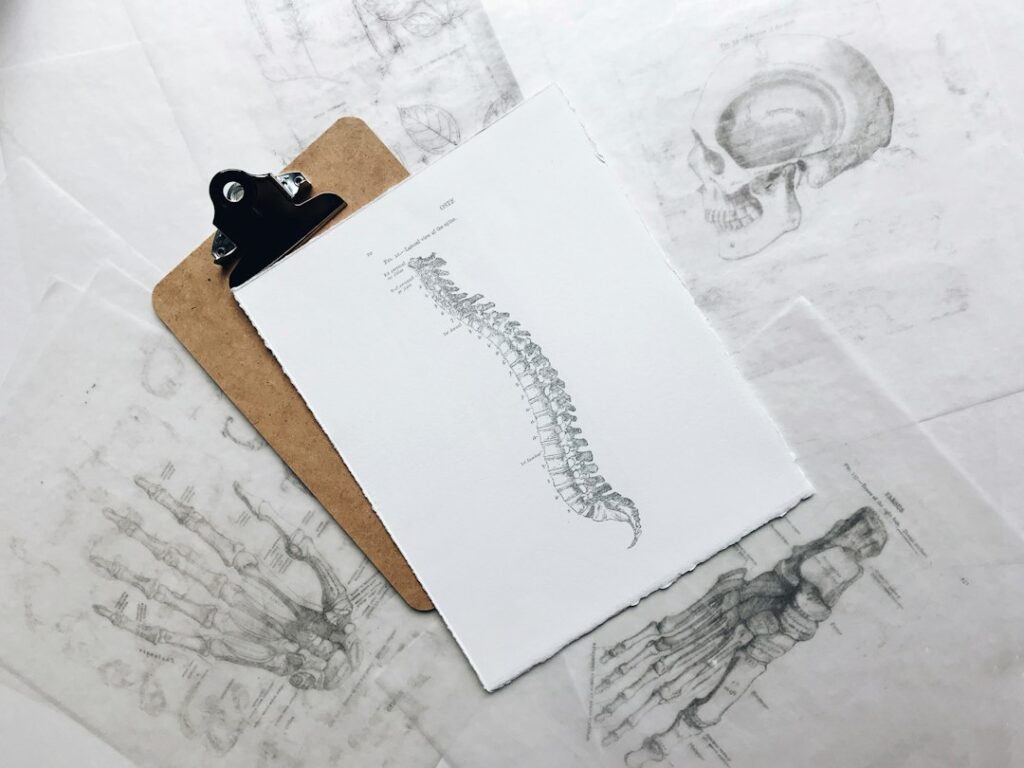
Scoliosis is a three-dimensional change in the shape of the spine that includes a sideways curve and some rotation of the vertebrae. Chiropractic care may help some people manage related pain, stiffness, or movement limitations, but current evidence does not show that spinal adjustments reliably straighten a scoliosis curve or prevent it from progressing.
For residents in Ballston, understanding that distinction can make it easier to choose appropriate next steps, especially when symptoms appear during adolescence, after an injury, or with age-related spinal changes.
What is scoliosis?
Scoliosis is more than poor posture. A person with scoliosis may have a curved spine that resembles a “C” or “S” shape when viewed from behind, along with rotation that can make one shoulder blade or side of the rib cage more prominent.
Common signs include:
- Uneven shoulders or hips
- A waistline that appears higher on one side
- One shoulder blade sticking out farther than the other
- Leaning to one side
- Clothes hanging unevenly
- Back stiffness or pain, particularly in adults
Adolescent idiopathic scoliosis is the most common type in children and teenagers, although the exact cause is usually unknown. Other forms may be related to congenital differences in the spine, neuromuscular conditions, or age-related degeneration.
A visible asymmetry does not confirm scoliosis. A clinical examination and, when appropriate, standing X-rays are used to determine whether a structural curve exists and how large it is.
Can chiropractic care correct scoliosis?
No strong evidence shows that chiropractic adjustments can permanently correct a structural scoliosis curve. Research on spinal manipulation for scoliosis has generally involved small studies, limited follow-up, or designs that make it difficult to separate treatment effects from natural changes over time.
This does not mean chiropractic care has no possible role. It means its role should be described accurately: symptom management rather than proven curve correction.
A chiropractor may use movement assessment, gentle manual techniques, soft-tissue work, or exercise recommendations to address discomfort associated with muscle tension, restricted motion, or uneven loading. These approaches may help a person feel and move better, but improvement in pain or mobility is not the same as reducing the Cobb angle—the measurement used to describe a spinal curve on an X-ray.
Families should be cautious about claims that adjustments, heel lifts, posture training, or a particular treatment package will “reverse” scoliosis or eliminate the need for monitoring.
When might chiropractic care be useful?
Chiropractic care may be considered as part of a broader plan for an adult or adolescent who has musculoskeletal discomfort and no warning signs requiring urgent medical evaluation. Possible goals could include:
- Reducing localized back or neck discomfort
- Improving comfortable range of motion
- Addressing muscle tightness
- Supporting general strength and movement habits
- Helping someone remain active within safe limits
The approach should be individualized. A person with scoliosis may have different needs depending on age, curve pattern, pain source, previous treatment, bone health, and whether symptoms involve the nerves.
For example, an adult who develops back soreness after prolonged driving, desk work, lifting, or winter snow removal may have pain from muscles or joints surrounding the curved spine. Treating that discomfort can be reasonable, but it does not necessarily treat the underlying scoliosis itself.
What treatments have stronger evidence for children and teenagers?
Treatment for a young person depends on the size and location of the curve, skeletal maturity, and whether the curve is changing. Mild curves are often monitored rather than actively treated.
For growing adolescents, bracing may be recommended for certain moderate curves to reduce the risk of progression. More severe or progressive curves may require evaluation by a spine specialist and, in some cases, surgery. Scoliosis-specific exercises may be included in a treatment plan, although evidence varies by program and patient.
Chiropractic care should not replace:
- Periodic examinations
- Recommended standing X-rays
- Bracing when prescribed
- Scoliosis-specific rehabilitation
- Evaluation by an orthopedic or spine specialist when progression is suspected
A chiropractor who works with a child should be willing to coordinate care and avoid presenting adjustments as a substitute for established monitoring or treatment.
What about adults with scoliosis?
Adult scoliosis may be longstanding or may develop from age-related wear in the discs and joints. Pain can result from muscle fatigue, arthritis, narrowing around spinal nerves, or another condition that happens to coexist with the curve.
Adults may benefit from a combination of:

- General strengthening and aerobic activity
- Physical therapy or scoliosis-specific exercise
- Activity modification
- Appropriate pain management
- Manual therapy for selected musculoskeletal symptoms
- Medical evaluation when nerve or structural problems are suspected
The most useful treatment target may be pain, endurance, balance, or function rather than the appearance of the curve. A curved spine does not automatically mean that surgery is needed, and many adults manage symptoms without an operation.
Is spinal manipulation safe with scoliosis?
Safety depends on the individual, the technique, and the cause of the symptoms. Scoliosis alone does not provide enough information to determine whether a particular adjustment is appropriate.
Extra caution is warranted when there is osteoporosis, a recent fracture, significant arthritis, spinal instability, prior spinal surgery, inflammatory disease, cancer, infection, or neurological symptoms. High-velocity techniques may not be appropriate for every patient.
Before treatment, the clinician should understand the person’s history, prior imaging, medications, and current symptoms. A treatment plan should also include a clear explanation of expected benefits, limitations, and alternatives.
When should someone seek medical evaluation promptly?
Back pain with scoliosis deserves medical attention sooner if it is severe, rapidly worsening, or accompanied by:
- Numbness, tingling, or weakness in an arm or leg
- Loss of coordination or difficulty walking
- Changes in bladder or bowel control
- Fever, unexplained weight loss, or unusual fatigue
- Pain that repeatedly wakes someone at night
- A recent significant fall or other injury
- New symptoms in a child or teenager with a known curve
A child whose shoulders, hips, or rib cage become increasingly uneven should be assessed, particularly during periods of rapid growth.
How can local residents manage symptoms day to day?
Cold-weather routines can make back symptoms more noticeable. Long periods of sitting indoors, carrying firewood, clearing snow, or lifting seasonal storage containers may increase strain around an already asymmetrical spine.
Helpful habits include changing position regularly, using careful lifting mechanics, building strength gradually, and choosing activities that can be performed without increasing pain. Walking, swimming, cycling, and appropriately supervised strengthening are often compatible with scoliosis, although the right activity depends on the individual.
The clearest answer is that chiropractic care may help manage certain symptoms, but it has not been proven to straighten scoliosis or stop curve progression. The safest approach is coordinated care based on the person’s age, symptoms, imaging, and treatment goals.
