
 See Our Latest Article on HelloNation
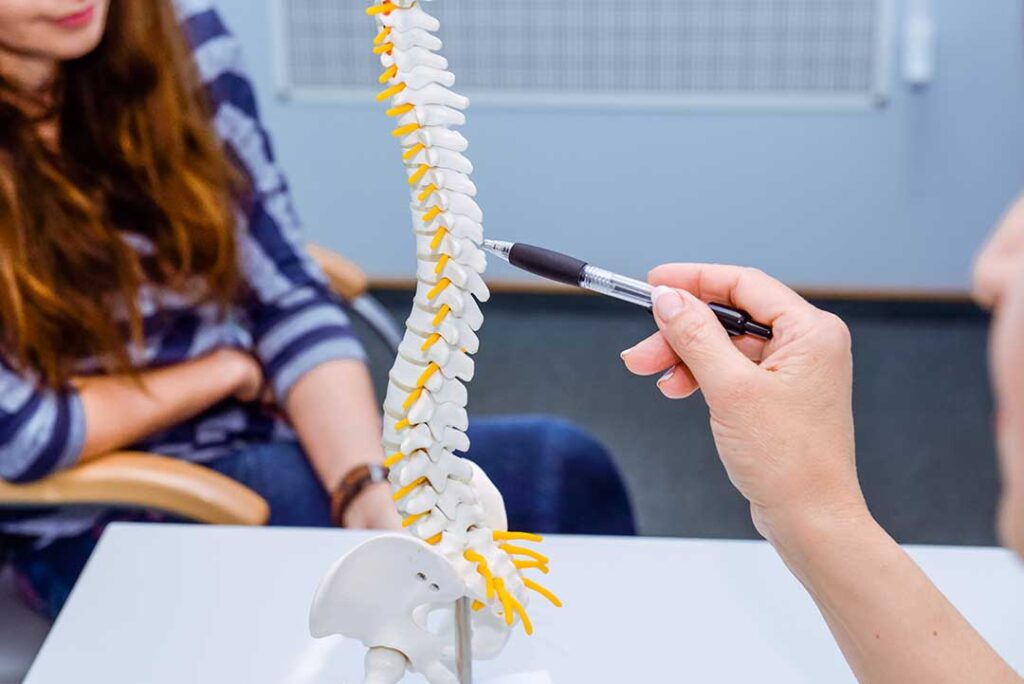
What Are Spinal Adjustments?
A spinal adjustment is a manual technique often used by chiropractors to address problems with joint movement and alignment in the spine. At its core, a spinal adjustment involves applying controlled force to a specific joint—often one in the spine—to help restore proper movement and potentially relieve discomfort.
Most commonly, people associate spinal adjustments with a gentle “cracking” or “popping” sound. This sound comes from the release of gas bubbles between joints and isn’t harmful. The primary goal is to improve spinal movement, which can impact surrounding nerves, muscles, and overall body function.
How Do Spinal Adjustments Affect the Body?
Spinal adjustments are believed to help by restoring movement and alignment to the spine, which may reduce irritation to nearby nerves and tissues. Proper spinal motion is important for keeping muscles and ligaments healthy and for ensuring the nervous system functions well.
- Improved mobility: Restoring motion to a stiff joint can make daily activities—like shoveling snow or gardening—feel easier and less taxing.
- Reduced discomfort: For some, improved spinal movement can decrease muscle tension and soreness after yardwork or local recreational activities.
- Nervous system support: Because the spine houses part of the nervous system, healthy movement in this area may play a role in overall nerve health.
What Does Scientific Research Say About Spinal Adjustments?
Scientific studies offer mixed but evolving perspectives on spinal adjustments. Research most strongly supports their ability to temporarily reduce back and neck discomfort for some people. There is also some evidence for improvements in certain types of headaches.
However, not all discomfort will respond to adjustments, and results can vary. Larger, high-quality studies are ongoing to better understand which people benefit the most and why.
- The benefits are often short-term and may require ongoing self-care.
- Spinal adjustments are considered safe for most people but are not risk-free.
- No credible research supports extreme claims—such as curing diseases unrelated to the spine—through spinal adjusting alone.
What Are Common Misconceptions About Spinal Adjustments?
Several beliefs about spinal adjustments are not supported by evidence or are misunderstood locally.
- Cracking equals success: The “pop” sound is not required for an effective adjustment, nor is louder always better.
- Instant cures: Some feel better quickly, but adjustments are typically one component of a broader approach, including exercise and movement habits.
- Permanent results: Most musculoskeletal issues benefit from ongoing care, stretching, or activity—especially in an area with seasonal changes and fluctuating outdoor workloads like Ballston.
Are Spinal Adjustments Safe?
For most healthy adults, spinal adjustments performed by a trained provider are considered safe, especially when proper assessment for underlying conditions is done beforehand. Mild soreness can be common, similar to what’s experienced after exercise.
Many adjustment techniques avoid high-force movements and instead use gentler strategies tailored to age, spinal health, or personal preference. Community members with conditions like severe osteoporosis, recent fractures, or certain nerve issues should seek guidance before considering adjustments.
Extreme or forceful self-adjustment, especially twisting the neck or back repeatedly, can increase risk of injury and is discouraged.
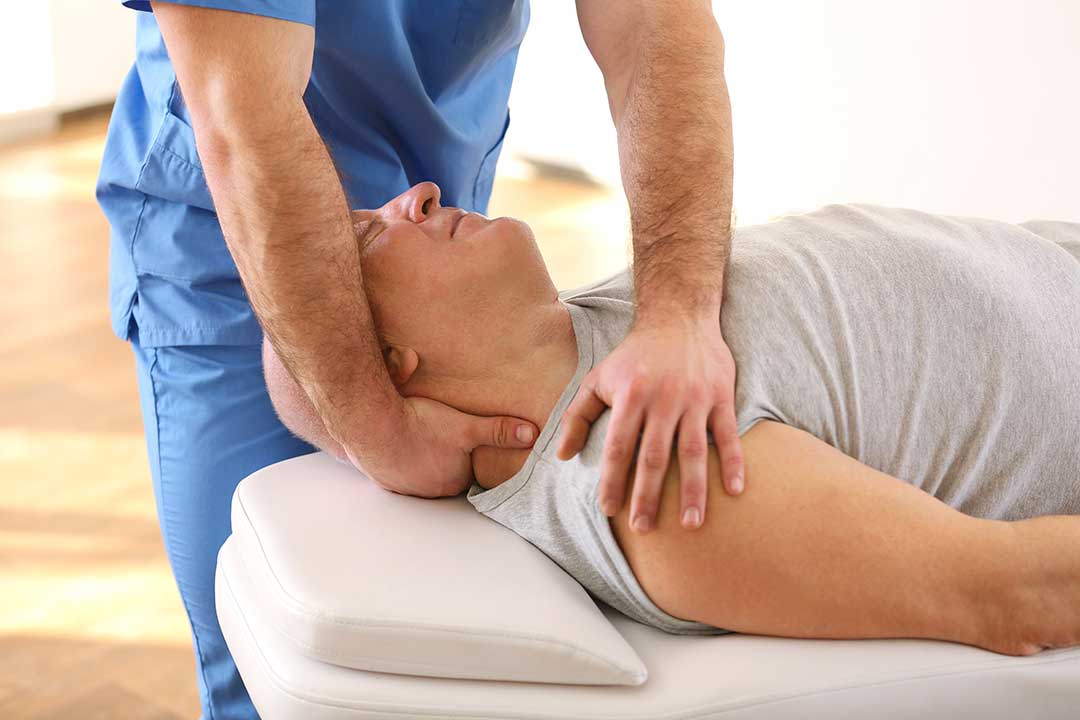
How Are Spinal Adjustments Performed?
A typical adjustment involves lying or sitting comfortably as the provider positions their hands or a small instrument over the targeted spinal area. A quick, precise movement is used to restore motion, usually causing minimal discomfort.
In Ballston, providers may adapt techniques to match the physical demands common in the area—such as recurring snow shoveling, long commutes, or local recreational sports. Adjustments may also be paired with stretching, posture advice, or home-based movement practices to support lasting results.
Do Spinal Adjustments Help Everyone the Same Way?
Not everyone responds to spinal adjustments equally. Individual anatomy, daily habits, underlying health conditions, and the cause of discomfort are major factors.
- Those with desk jobs or repetitive lifting might notice improvements in flexibility or reduced discomfort.
- Residents with chronic health concerns, nerve pain, or significant trauma often need a coordinated approach that includes—but isn’t limited to—spinal adjusting.
It’s important not to rely solely on adjustments for persistent pain or unexplained symptoms. Comprehensive care, including physical activity and self-management, tends to deliver the best results.
How Do Spinal Adjustments Fit Into Everyday Life in Ballston?
Many in Ballston experience cyclical back or neck tension, especially with seasonal yardwork, home projects, or commuting during winter conditions. Spinal adjustments, when part of a broader wellness approach, may help some residents:
- Adapt to shifting physical routines as seasons change (for example, snow shoveling in winter, gardening in spring)
- Manage discomfort from repetitive activities at home or work
- Support mobility needed for local recreational activities
Incorporating safe movement, proper lifting habits, and attention to posture are equally important for maintaining spinal health year-round in the local climate.
What Should Residents of Ballston Know Before Considering Spinal Adjustments?
Spinal adjustments are one option among many for addressing spinal movement, discomfort, or related muscle tension. They are not a cure-all, and benefits are most likely when paired with healthy movement, self-care, and attention to lifestyle factors like workspace setup or seasonal activity levels.
It’s wise to seek assessment for any unexplained, sudden, or severe symptoms before trying any intervention, including spinal adjustments. Awareness of personal health history and realistic expectations about potential benefits and limitations provides the foundation for effective self-care.
