
 See Our Latest Article on HelloNation
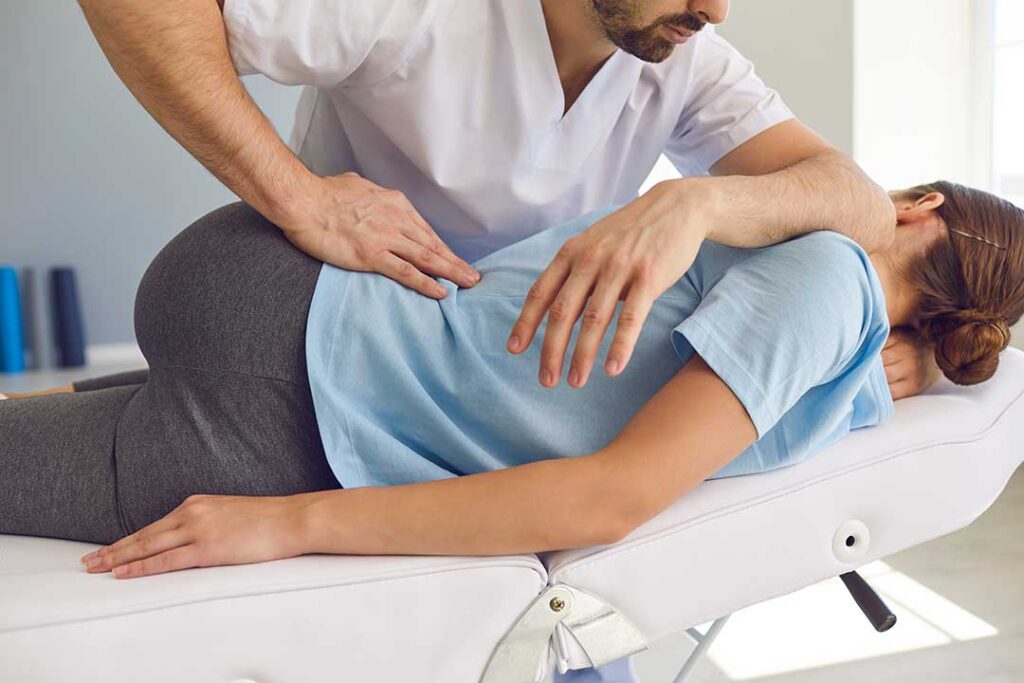
What Are Minor Back Strains and Why Do They Happen?
Minor back strains typically involve overstretching or small tears in the muscles or tendons along the lower or upper back. In Ballston, NY, these often occur after shoveling snow, raking leaves, weekend sports, gardening, or sudden awkward movements during regular home routines. Residents sometimes notice soreness, stiffness, or mild swelling but can still move around and carry out daily activities—albeit with some discomfort.
Minor strains contrast with more severe injuries, which may involve sharp, shooting pain, numbness, weakness, or limited mobility. In those cases, more urgent care is needed, but for mild strains, careful self-care at home is both common and effective.
What Immediate Steps Should You Take After a Back Strain?
Prompt self-care helps speed up healing and prevents stress on the affected area. The first few hours after a minor strain set the stage for comfort and recovery.
- Rest, but not total immobility: Use a comfortable chair or lie down on a firm surface for 15-30 minutes at a time. Avoid strenuous activity, but short walks around the house can keep muscles from stiffening.
- Ice the sore area: Use a wrapped ice pack or a bag of frozen peas (never directly on skin) for 15-20 minutes, repeating every few hours during the first 24-48 hours. This helps reduce swelling and discomfort.
- Avoid heat at first: Heat packs can increase swelling early on, so save them for later in the healing process.
Are There Safe Ways to Manage Pain from a Minor Back Strain?
Mild pain and stiffness can usually be managed with basic at-home techniques familiar to most Ballston households.
- Over-the-counter pain relief: Medications such as ibuprofen or acetaminophen may help, if there are no personal health conflicts. Always follow package directions and any guidance from health care providers.
- Gentle stretching: After the initial pain lessens (often after 1-2 days), light stretching can prevent tightness. Examples include slow knee-to-chest pulls or standing back bends—never force any motion that sharply increases pain.
- Maintain gentle movement: Prolonged bed rest is discouraged. Gradual return to light activity, including household chores, helps maintain muscle strength and circulation.
When Can You Use Heat, and How Does It Help?
After swelling has gone down—typically 48 hours after the strain—applying heat may help relax tight muscles.
- Use a heating pad, hot water bottle, or a warm towel for 15-20 minutes as needed.
- Try warm showers or baths to ease general muscle discomfort, especially during colder months in Ballston, when outdoor temperatures often contribute to muscle stiffness.
- Alternate heat and ice for some people: If stiffness and soreness persist, alternating between cold and warmth can enhance comfort.
Are There Activities to Avoid While Recovering?
Yes, avoiding certain activities is key to preventing setbacks.
- Do not lift heavy objects, twist abruptly, or carry out intense exercise until pain resolves.
- Be mindful of shoveling, yard work, or rearranging furniture—common sources of re-injury locally, especially after snowstorms or during spring cleaning.
- Skip high-impact sports and long car rides if possible, as sitting for extended periods can increase stiffness.
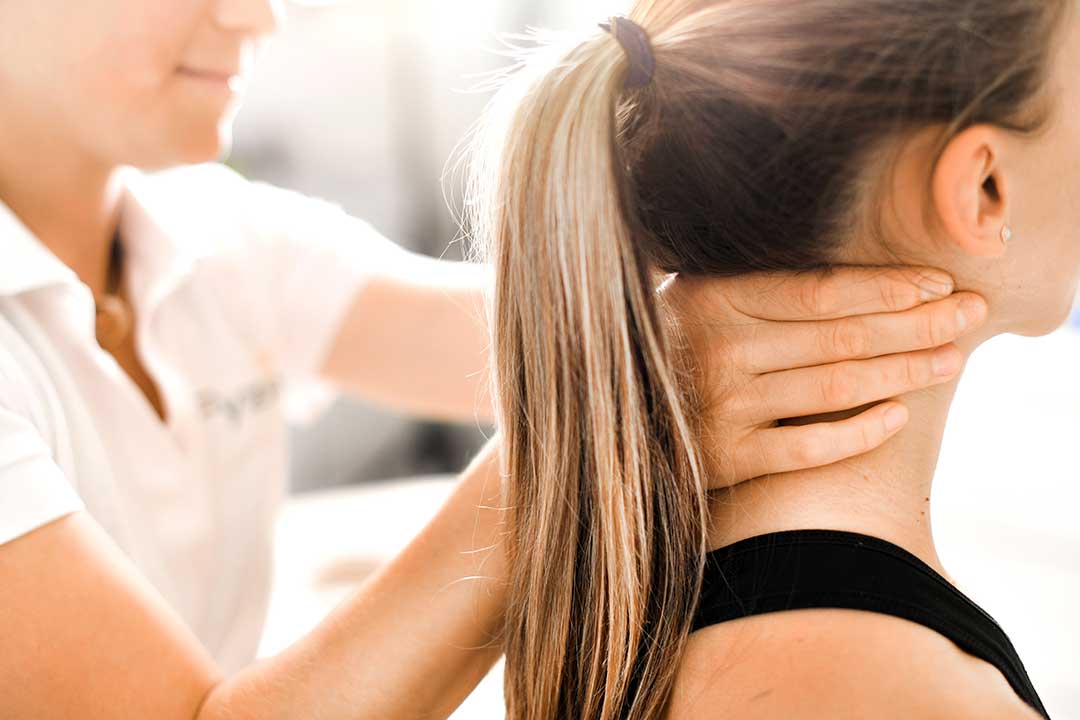
How Long Should a Minor Back Strain Take to Heal?
Most mild muscle strains heal with home care in several days to two weeks. It’s normal for soreness to linger for a few days, gradually improving each day. Returning to full activities too quickly is a common cause for setbacks, especially during active community seasons like local rec sports, gardening, and snow removal.
- If pain significantly worsens, spreads down the leg, or is accompanied by numbness, weakness, fever, or loss of bladder/bowel control, seek medical assessment. These symptoms suggest a more serious issue than a simple strain.
Can Simple Home Adjustments Prevent Future Back Strains?
Many strains are related to daily habits. A few targeted changes around the home can reduce risk over time.
- Rearrange often-used items at waist height to limit bending and reaching.
- Use proper body mechanics when lifting: bend at knees, keep back straight, and lift with legs.
- Warm up before vigorous activity, such as snow shoveling or yardwork—a few minutes of gentle stretches make a difference.
- Keep walkways, stairs, and driveways clear in colder months to prevent slips and awkward movements.
- Invest in ergonomic chairs or cushions for those who spend hours at a desk or enjoy long reading sessions at home.
What Are Common Misconceptions About Minor Back Strain Recovery?
Residents sometimes believe they must avoid all movement or apply heat immediately after an injury. In reality, gentle movement and early use of ice are supported by most clinical guidelines. Another misconception is that lingering soreness always signals a serious issue—minor strains can cause discomfort for several days, so gradual, steady improvement is a positive sign.
Conversely, severe or worsening symptoms should not be dismissed as “just a strain.” When in doubt, err on the side of comfort and safety.
