
 See Our Latest Article on HelloNation
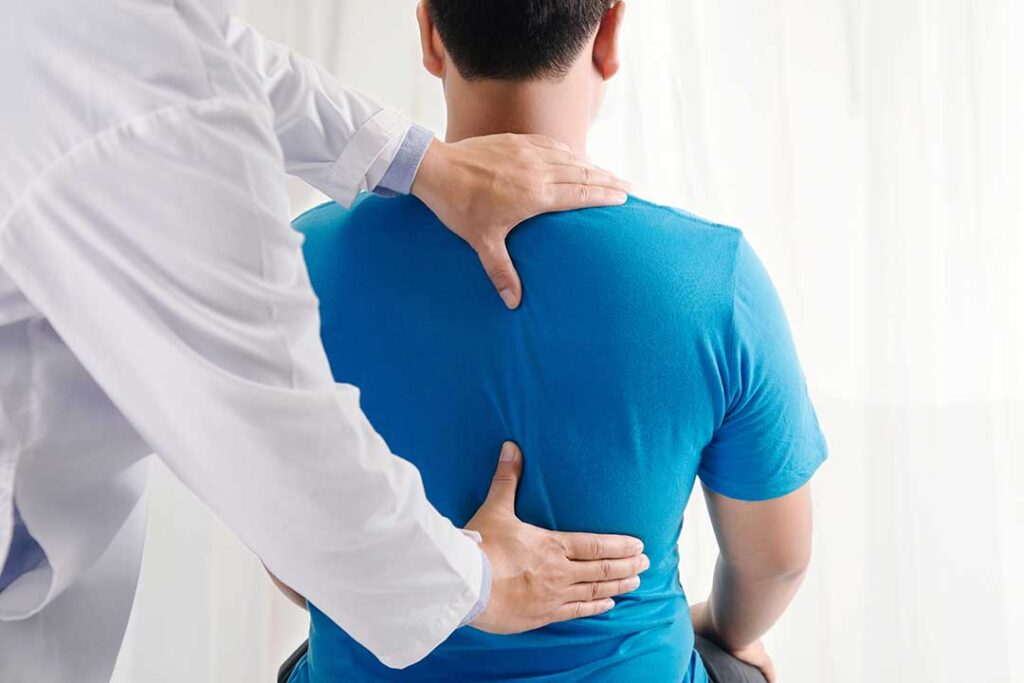
Limited mobility can make ordinary tasks—walking on uneven ground, getting out of a chair, reaching overhead, or turning while driving—feel more difficult than they should. In Ballston, seasonal cold, icy walking surfaces, spring cleanup, yard work, and long periods of indoor activity can all affect how comfortably people move.
Natural strategies can help improve mobility, but they work best when matched to the reason movement is restricted. Stiffness from inactivity is approached differently than pain from an injury, arthritis, nerve irritation, or a balance problem.
What does mobility actually include?
Mobility is more than flexibility. It involves the ability to move a joint, control the body, produce strength, maintain balance, and perform useful activities without excessive pain or fear.
Someone may have good flexibility but poor balance. Another person may have adequate strength but limited hip or shoulder movement. Effective mobility work usually includes several elements:
- Joint movement through a comfortable range
- Muscle strength in the legs, hips, back, abdomen, shoulders, and arms
- Balance and coordination
- Cardiovascular endurance
- Confidence with everyday activities
The National Institute on Aging identifies aerobic activity, muscle strengthening, flexibility, and balance as important parts of maintaining physical function, particularly as people age. ([nia.nih.gov](https://www.nia.nih.gov/health/exercise-and-physical-activity/three-types-exercise-can-improve-your-health-and-physical?utm_source=openai))
Which natural approaches help people move more freely?
Regular, gradual movement is usually more helpful than occasional intense exercise. Walking, gentle strengthening, controlled stretching, and balance practice can support mobility without requiring specialized equipment.
A practical weekly routine may include:
- Walking at a comfortable pace, indoors or outdoors
- Sit-to-stand practice from a sturdy chair
- Gentle calf, hamstring, hip, chest, and shoulder stretches
- Light resistance exercises using body weight or resistance bands
- Balance practice near a wall or stable countertop
Adults are generally advised to work toward at least 150 minutes of moderate activity each week and muscle-strengthening activity on at least two days. However, the CDC also emphasizes that some activity is better than none, and the weekly amount can be divided into shorter sessions. ([cdc.gov](https://cdc.gov/physical-activity-basics/guidelines/adults.html?utm_source=openai))
For someone who has been inactive, beginning with five or ten minutes at a time may be more realistic than trying to meet a full guideline immediately.
How should stretching be used for stiffness?
Stretching can help maintain or improve flexibility, but it should not be forced. Muscles and joints generally respond better after a brief warm-up, such as walking around the house, marching gently in place, or moving the arms through easy circles.
Useful guidelines include:
- Move slowly into a mild stretch rather than bouncing.
- Breathe normally instead of holding the breath.
- Stop if there is sharp, electric, or worsening pain.
- Hold a comfortable stretch for a short period and repeat as tolerated.
- Stretch both sides when appropriate, while recognizing that one side may naturally be tighter.
Stretching is not a complete treatment for every mobility problem. If a joint repeatedly catches, swells, gives way, or loses motion, the underlying cause deserves attention rather than repeated forceful stretching.
Why are strength and balance just as important as flexibility?
People often assume that stiffness is caused only by tight muscles. In practice, weakness and reduced balance can also make movement feel restricted. A person who does not trust one leg may shorten their stride, avoid stairs, or hold onto furniture, which can gradually reduce activity even further.
Simple strength exercises can include:
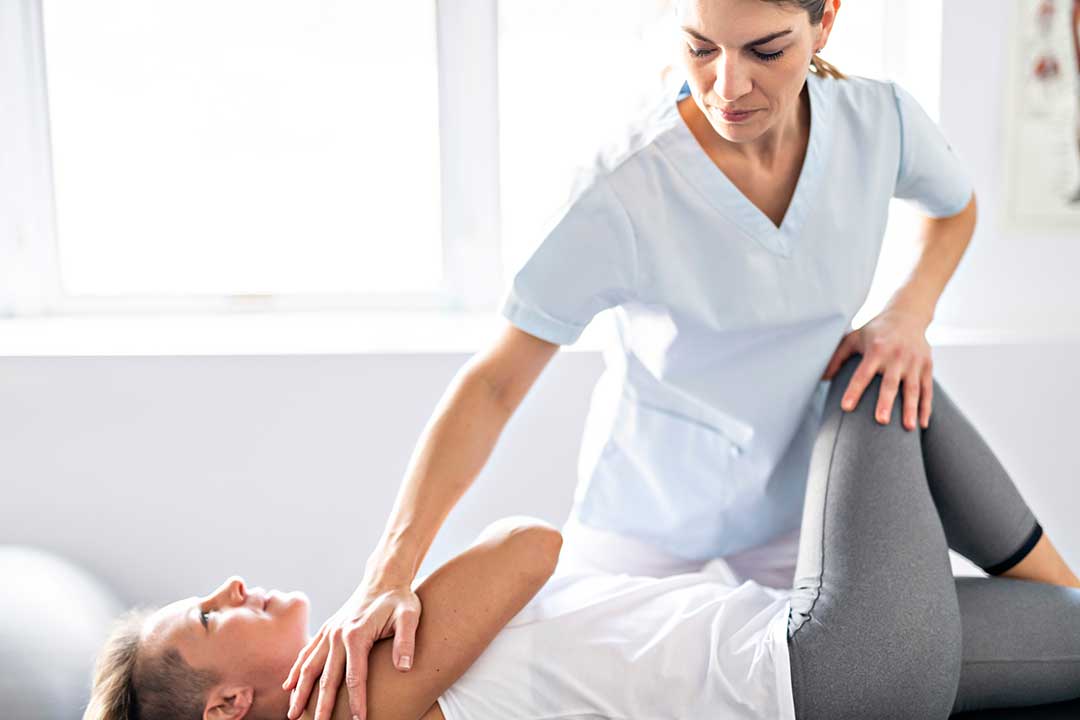
- Standing up from a chair without using the hands
- Controlled wall pushups
- Heel raises while holding a stable surface
- Step-ups on a low, secure step
- Gentle hip or leg exercises with a resistance band
Balance work should be performed beside a wall, countertop, or sturdy chair. Examples include standing with the feet close together, walking heel-to-toe, shifting weight from side to side, or briefly standing on one leg with support nearby. NIA recommends moving slowly and using a stable object for support when balance is uncertain. ([nia.nih.gov](https://www.nia.nih.gov/health/exercise-and-physical-activity/three-types-exercise-can-improve-your-health-and-physical?utm_source=openai))
Balance becomes particularly relevant during Ballston winters, when snow, ice, wet entryways, and bulky clothing can make walking more demanding. Indoor practice may be safer when outdoor surfaces are slippery.
Can walking, yoga, or tai chi improve mobility?
Yes, provided the activity is appropriate for the person’s current abilities. Walking supports endurance and leg function. Yoga may combine flexibility, strength, balance, and breathing, while tai chi uses slow weight shifts and controlled movements.
Low-impact activities are often useful for people who experience joint discomfort. The National Institute on Aging notes that walking, cycling, swimming, and tai chi may be helpful components of a well-rounded approach for people with osteoarthritis. ([nia.nih.gov](https://www.nia.nih.gov/health/osteoarthritis/osteoarthritis?utm_source=openai))
The goal is not to copy advanced poses or move through pain. A chair-supported version, shorter session, slower pace, or smaller range of motion may be more appropriate.
Does chiropractic care have a role in mobility?
Chiropractic care may include hands-on methods such as spinal manipulation or mobilization, along with movement guidance and exercise recommendations. These approaches are not interchangeable: manipulation uses a controlled thrust, while mobilization generally works within a joint’s available range without a thrust. ([nccih.nih.gov](https://www.nccih.nih.gov/health/spinal-manipulation-what-you-need-to-know?utm_source=openai))
For some adults with low-back pain, spinal manipulation may provide modest improvements in pain and function. It is one option among several nondrug approaches, not a universal solution for every mobility concern. Temporary soreness, stiffness, or increased discomfort can occur, and a thorough health history is important before treatment—especially for people with osteoporosis, neurological symptoms, recent trauma, bleeding risks, or other significant health conditions. ([nccih.nih.gov](https://www.nccih.nih.gov/health/spinal-manipulation-what-you-need-to-know?utm_source=openai))
Mobility often improves most when hands-on care, if used, is paired with active strategies that help a person build strength, coordination, and confidence.
What should someone do if movement causes pain?
Mild muscle effort or temporary stiffness can occur when starting a new activity. Sharp pain, rapidly increasing pain, numbness, weakness, loss of coordination, or a joint that suddenly becomes hot and swollen should not be ignored.
Medical evaluation is especially appropriate after a fall or collision, or when mobility changes suddenly. Chest pain, fainting, severe shortness of breath, new bowel or bladder problems, or difficulty speaking require urgent attention rather than an exercise routine.
People managing heart disease, diabetes, uncontrolled blood pressure, osteoporosis, arthritis, a recent surgery, or a neurological condition may need an individualized activity plan. NIDDK advises checking with a health care professional when chronic conditions, chest pain, dizziness, joint pain, or new concerns affect plans to become more active. ([niddk.nih.gov](https://www.niddk.nih.gov/health-information/weight-management/healthy-eating-physical-activity-for-life/health-tips-for-older-adults?utm_source=openai))
How can residents build mobility into an ordinary day?
Mobility work does not have to be separated from daily life. A person might take brief walking breaks during indoor work, perform a few sit-to-stands before preparing a meal, stretch after warming up from snow removal, or practice balance while waiting for water to boil.
The most useful routine is usually the one that can be repeated consistently and adjusted when symptoms, weather, sleep, or energy levels change. Progress may be measured by practical improvements: climbing stairs with less effort, standing longer, turning more easily, walking farther, or completing household tasks with greater confidence.
