
 See Our Latest Article on HelloNation
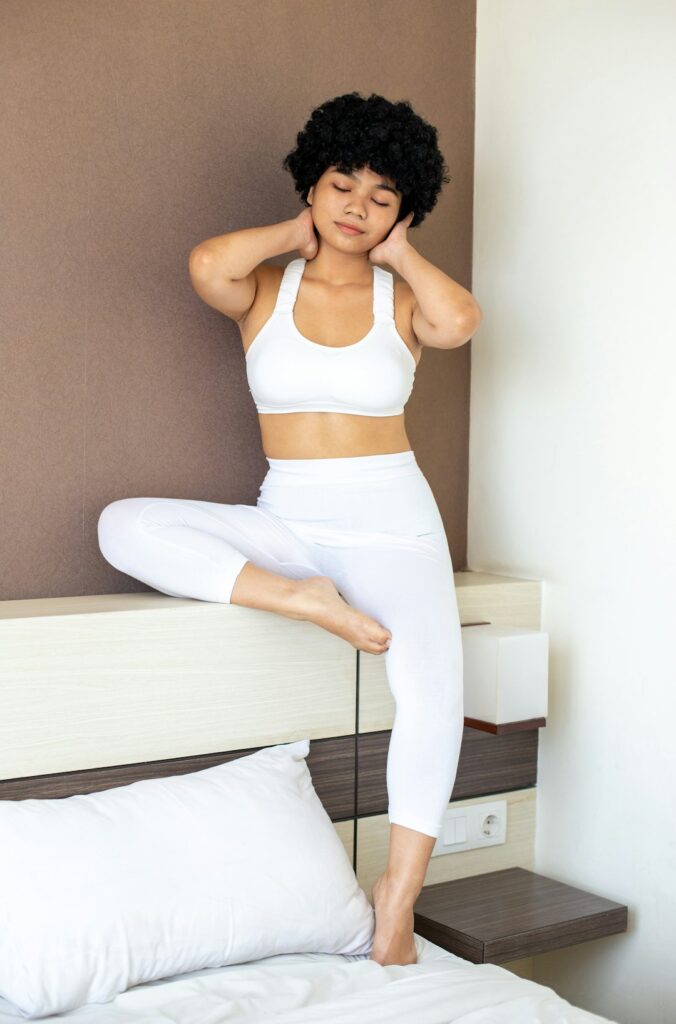
Waking with stiffness does not always mean something is seriously wrong. Overnight stillness, sleeping position, a soft or overly firm mattress, and reduced movement during colder months can all make the first few minutes of the day uncomfortable. A short, gentle stretching routine can help restore motion without placing sudden stress on the neck, back, hips, or shoulders.
The goal is not to force flexibility. Morning stretching should gradually warm the body and make ordinary activities—standing up, walking, dressing, or preparing breakfast—feel easier.
Why does the body feel stiff in the morning?
Morning stiffness often develops because joints and muscles remain in one position for several hours. Movement helps circulate fluid around joints and increases the temperature and elasticity of muscle tissue. After sleep, those systems may be less active, so the first movements can feel restricted.
Other common contributors include:
- Sleeping with the neck rotated or the spine twisted
- Spending much of the previous day sitting
- Repetitive lifting, yardwork, or household tasks
- Dehydration
- A recent increase in exercise or physical work
- Cold, damp weather that encourages people to remain indoors and move less
Residents of Ballston may notice more stiffness during winter mornings, especially after shoveling, walking on uneven icy surfaces, or spending long periods indoors. Cold temperatures do not automatically cause an injury, but they can make muscles feel less ready for sudden bending, reaching, or lifting.
What should be done before stretching?
Begin with slow movement rather than immediately holding a deep stretch. Sitting on the edge of the bed, gently moving the ankles, opening and closing the hands, and taking several relaxed breaths can help the body transition from rest to activity.
A warm shower or a few minutes of easy walking around the home may also make stretching more comfortable. Stretching should produce mild tension, not sharp pain, burning, numbness, or a feeling that a joint is being forced.
Use these general guidelines:
- Move slowly and avoid bouncing.
- Breathe normally rather than holding the breath.
- Keep the stretch gentle enough to relax into.
- Hold a comfortable position for about 15 to 30 seconds.
- Stop if symptoms travel farther into an arm or leg.
- Repeat only as long as the body continues to feel better.
Which stretches can help the lower back?
A gentle knee-to-chest movement may ease general low-back and hip stiffness. Lie on the back with both knees bent and the feet supported. Slowly bring one knee toward the chest while keeping the other foot on the bed or floor. Hold briefly, release, and switch sides. If comfortable, both knees may be drawn toward the chest, but there should be no pulling sensation in the back of the legs or pressure in the spine.
A pelvic rocking exercise can also be useful. With knees bent, gently flatten the lower back toward the bed or floor, then release to a neutral position. The movement should be small and controlled. This is more of a mobility exercise than a deep stretch.
For people who prefer to stretch while standing, place both hands on a sturdy surface and gently hinge at the hips while keeping the spine long. Avoid rounding deeply or reaching toward the floor first thing in the morning, particularly after a physically demanding day.
How can the hips and legs be loosened?
Tight hips can make the lower back work harder during walking and bending. A seated hip stretch can be performed on the edge of a firm chair. Place one ankle over the opposite knee, keep the back relatively straight, and lean forward slightly until a mild stretch is felt in the outer hip. Do not press down on the raised knee.
The backs of the legs can be addressed with a gentle hamstring stretch. Place one heel on a low step or the edge of a sturdy surface. Keep the knee slightly bent and hinge forward from the hips. The stretch should be felt along the back of the thigh, not as a sharp pull behind the knee.

Calf stretches are especially practical before walking outdoors. Face a wall, place both hands against it, step one foot back, and keep the back heel down. Bend the front knee slightly while keeping the rear leg comfortable. This may help prepare the lower legs for walking on snow, packed surfaces, or uneven ground.
What stretches are appropriate for the neck and shoulders?
Neck movements should remain small. Sit or stand upright and slowly turn the head to one side, return to the center, and repeat on the other side. Next, gently tilt one ear toward the shoulder without lifting the shoulder. Avoid rolling the head in large circles, which can aggravate some neck conditions.
Shoulder rolls may help reduce tension from sleeping with the arms elevated or spending time at a computer. Lift the shoulders slightly, move them back, lower them, and then relax. Repeat in a slow, comfortable pattern.
A doorway chest stretch can be useful after side-sleeping or prolonged sitting. Place the forearms lightly against the sides of an open doorway, step forward only enough to feel a mild stretch across the chest, and keep the neck relaxed. Do not force the shoulders behind the body.
Should stretching happen before getting out of bed?
Bed-based mobility can be helpful, but it should not replace careful standing. Before rising, gently point and flex the feet, rotate the ankles, bend and straighten the knees, and take a few slow breaths. Roll onto one side, lower the legs over the edge, and use the arms to help push the body upright rather than twisting quickly.
This approach can be particularly useful for people who feel lightheaded, have balance concerns, or experience back discomfort during transitions.
Is stretching enough for recurring morning pain?
Stretching may reduce ordinary stiffness, but recurring or worsening pain deserves closer attention. Seek timely medical evaluation for pain accompanied by weakness, numbness, loss of coordination, fever, unexplained weight loss, a recent significant fall, or changes in bladder or bowel control.
Persistent morning stiffness that lasts for a long time each day, repeatedly interrupts sleep, or does not improve with gentle movement should also be assessed. Stretching should not be used to push through symptoms that are becoming more intense.
A simple morning routine can take five to ten minutes:
- Ankle pumps and hand movements while seated
- Gentle knee-to-chest or pelvic rocking
- A calf stretch on each side
- A mild hip stretch
- Shoulder rolls and small neck turns
- A short, easy walk before heavier activity
The most useful routine is one that feels controlled and leaves the body moving more freely afterward. In Ballston’s colder seasons, adding a few minutes of indoor walking before outdoor chores can provide a safer transition than moving directly from a warm bed into bending, lifting, or shoveling.
