
 See Our Latest Article on HelloNation
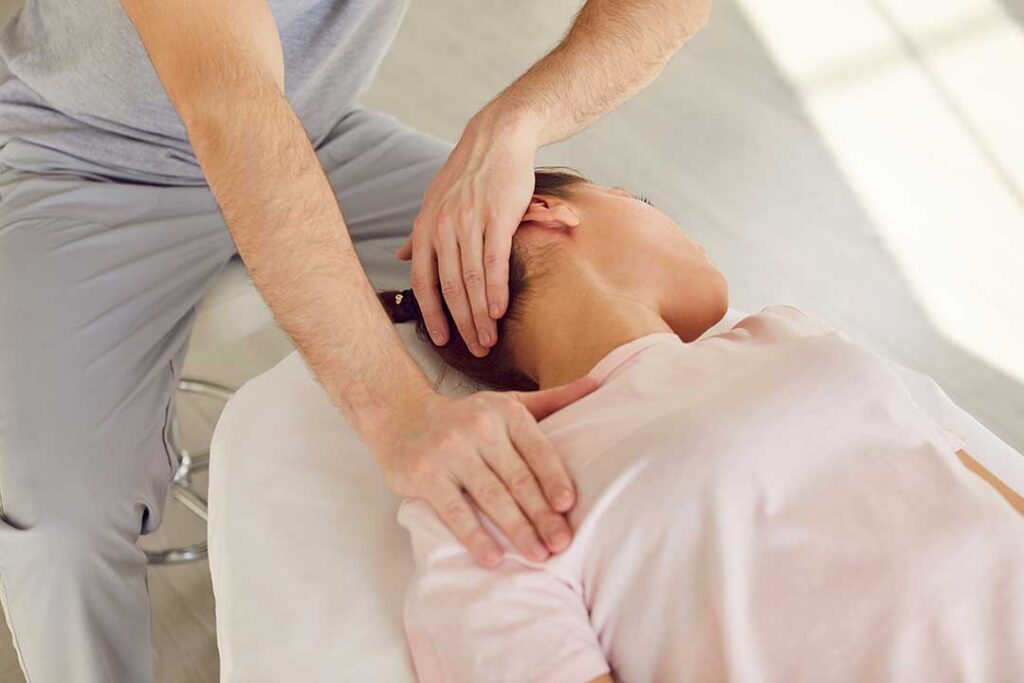
How Does Spinal Health Impact Daily Life for Residents in Ballston, NY?
Spinal health plays a foundational role in daily wellbeing, influencing how local residents move, work, and feel throughout the year. A healthy spine supports the entire body’s structure, protects the spinal cord, and enables flexible movement. When spinal health is compromised—due to poor posture, injury, or lifestyle factors—residents can experience discomfort, reduced mobility, and even complications with other body systems.
In Ballston, seasonal changes and local routines—like snow shoveling in winter or increased outdoor work in spring—mean spinal strain can be a year-round concern.
What Are Common Symptoms of Spinal Issues?
People in Ballston often notice early warning signs of spinal issues during daily tasks. Common symptoms may include:
- Stiffness or reduced range of motion, particularly after household chores or yardwork
- Recurring back, neck, or shoulder pain
- Headaches that start at the base of the skull
- Numbness, tingling, or weakness in arms or legs
Ignoring minor symptoms can allow problems to worsen. For residents who spend long hours at a desk or engage in repetitive physical activity—such as landscaping, construction, or even recreational sports—these symptoms may signal that the spine is under extra strain.
Why Does Spinal Alignment Matter for Nerves and Movement?
The spine houses the spinal cord, which transmits signals between the brain and the rest of the body. When vertebrae are misaligned or tissues become inflamed, nerve signals can be disrupted. This may result in pain, muscle weakness, or changes in sensation.
For residents dealing with icy driveways or frequent lifting (whether groceries or firewood), normal spinal alignment makes these tasks safer and easier. Poor alignment, on the other hand, increases the risk of overuse injuries or sudden strains, particularly during seasonal changes when day-to-day activities shift.
How Can Spinal Health Influence Sleep and Energy?
Quality sleep and daytime energy are commonly linked to spinal health. Tight muscles and joint restrictions can make it difficult to find a comfortable sleeping position, leading to tossing, waking up stiff, or feeling unrested.
In Ballston, where winter nights can be long and the need for restful sleep is high, local residents who maintain better spinal mobility often find it is easier to stay active and alert during the day.
Can Spinal Issues Affect More Than Just the Back?
Many in the community are surprised to learn that spinal health can influence digestive function, balance, and even breathing. This is because nerves branching from the spine connect to nearly every part of the body.
For example:
- Nerve compression in the lower back can affect leg strength, leading to slips or falls on icy paths
- Mid-back mobility supports deep breathing, which is important during winter cold and flu season
- Poor posture while shoveling snow or gardening places additional stress on stomach and intestinal nerves
Understanding these connections helps residents recognize when a problem may be rooted in the spine—beyond just pain.
What Are the Most Common Local Factors Affecting Spinal Health?
In Ballston, several local patterns stand out:
- Home and workplace setups: Many area homes and offices feature older furniture or cramped workspaces. Poor ergonomics can prompt bad posture, particularly during remote work or prolonged sitting.
- Seasonal physical labor: Snow removal, firewood stacking, and gardening all require bending, twisting, and lifting—leading to micro-injuries if done repetitively or with improper technique.
- Recreational habits: Cycling along the Zim Smith Trail or fishing at local streams can sometimes lead to overuse injuries without sufficient stretching or warm-up.
Being aware of these local lifestyle factors can help residents make safer, more supportive daily choices.
How Can Residents Support Their Own Spinal Health?
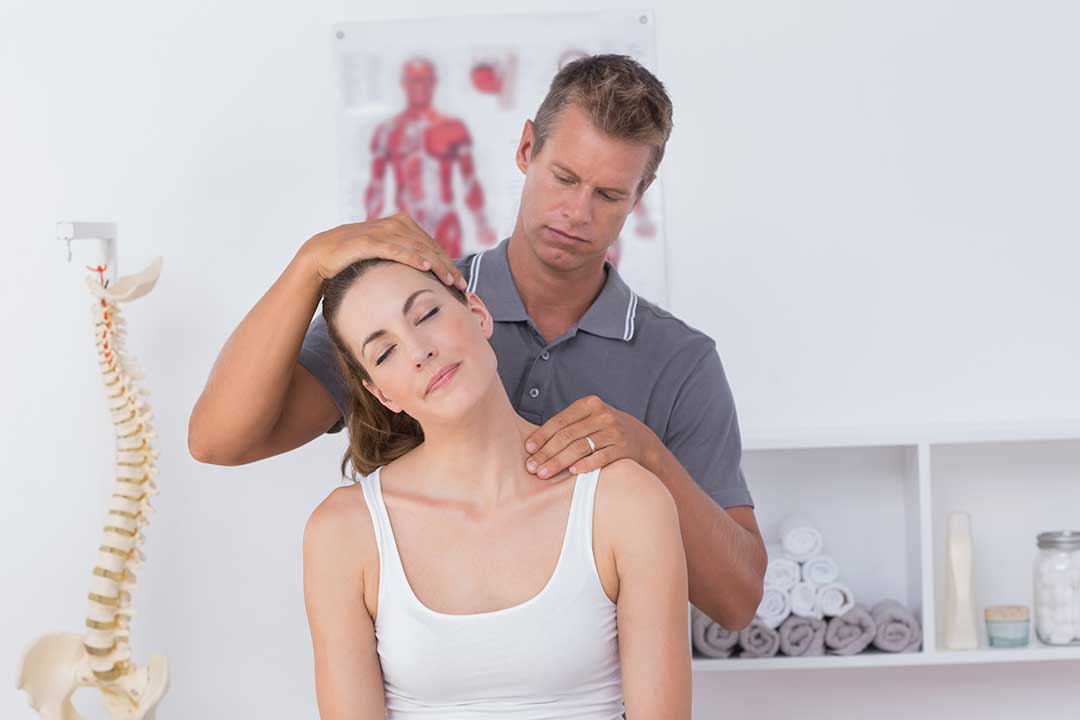
Most people can take practical steps at home or work to promote spinal wellbeing:
- Adjust seating to maintain natural spine curves; support the lower back with rolled towels or cushions if needed
- When shoveling snow, use your legs for strength, avoid twisting, and take frequent breaks
- Stand and stretch regularly during desk work to avoid stiffness
- Pay attention to lifting techniques—keep heavy items close, use both hands, and bend at the knees
Simple, consistent habits in these areas often reduce the risk of long-term problems.
What Are Some Misconceptions About Spinal Health in Ballston?
Several myths persist within the community:
- Back pain will just “go away” without changes: Minor soreness may resolve, but recurring pain often signals imbalances that need addressing.
- Only older adults need to think about spinal health: Children and teens also face spinal challenges, especially with backpack use and screen time.
- All spinal pain means a major injury: Many issues stem from everyday habits and gradual wear-and-tear, not acute accidents.
Recognizing these misconceptions allows area households to seek accurate information and prevent avoidable discomfort.
When Is It Necessary to Seek Further Help?
Some spinal symptoms should not be ignored, including:
- Numbness or loss of bladder/bowel control
- Severe or sudden weakness in the arms or legs
- Persistent pain that does not improve with rest and self-care
In these cases, professional assessment may be warranted for safety and accurate diagnosis. Otherwise, adopting healthy habits and remaining observant of changes often leads to better daily comfort and function for most Ballston residents.
